


Welcome to Lefkada Island
Lefkada is a unique island in the Ionian Sea, located on the western coast of mainland Greece and connected by a bridge, making it easily accessible by car. With a population of around 23,000 residents, it combines natural beauty with authentic Greek culture.
Known for its stunning beaches, dramatic cliffs and crystal-clear turquoise waters, Lefkada is one of the most popular destinations in the Ionian. At the same time, it offers a balanced atmosphere, with both lively areas and peaceful spots, ideal for relaxation and exploration.
History
Lefkada has a rich and diverse history that dates back to ancient times. Originally part of the mainland, it was transformed into an island by the Corinthians in the 7th century BC, who dug a canal to improve navigation. Over the centuries, Lefkada was ruled by various civilizations, including the Romans, Byzantines, Venetians, French and British, each leaving their mark on the island’s culture and architecture. In 1864, Lefkada was united with the rest of Greece. Today, the island preserves its historical character through traditional villages, fortresses and cultural influences, offering visitors a unique blend of history and natural beauty.
Beaches
Lefkada is renowned for some of the most spectacular beaches in the Mediterranean, famous for their turquoise waters and dramatic coastal landscapes. Iconic spots such as Porto Katsiki, Egremni and Kathisma feature impressive white cliffs, crystal-clear seas and breathtaking views. From organized beaches with facilities to more secluded and untouched shores, Lefkada offers a beach experience for every preference. Whether you are looking to relax under the sun or explore hidden coastal gems, the island’s beaches promise unforgettable moments by the sea.


Sights to Visit
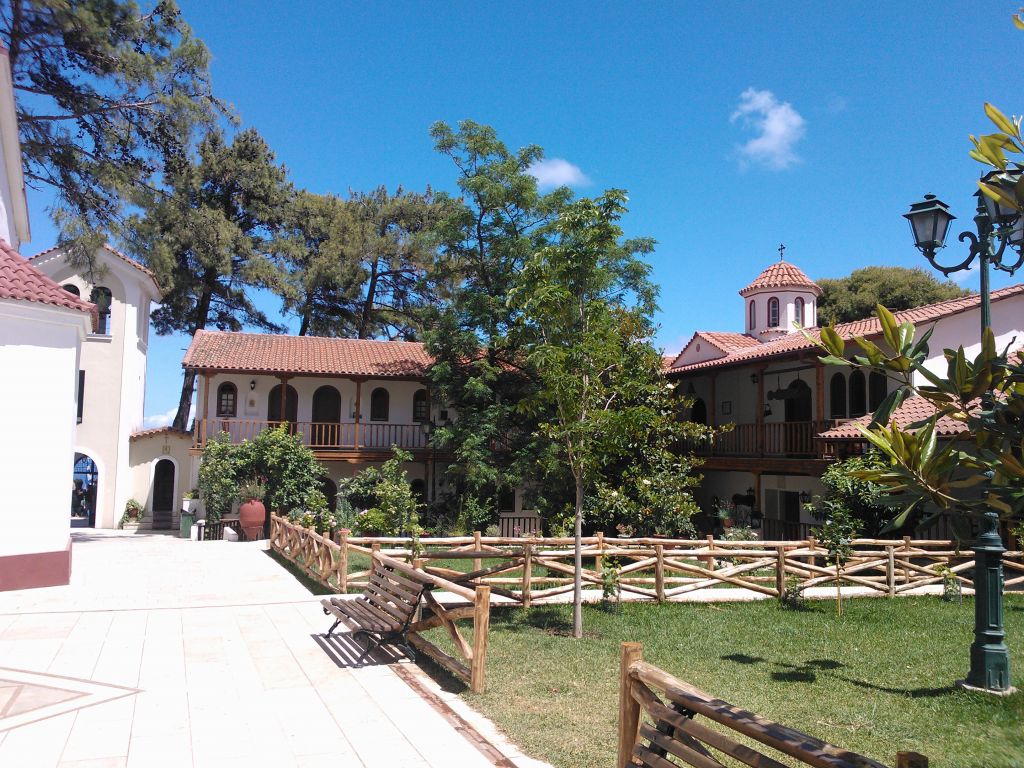
Monastery of Faneromeni
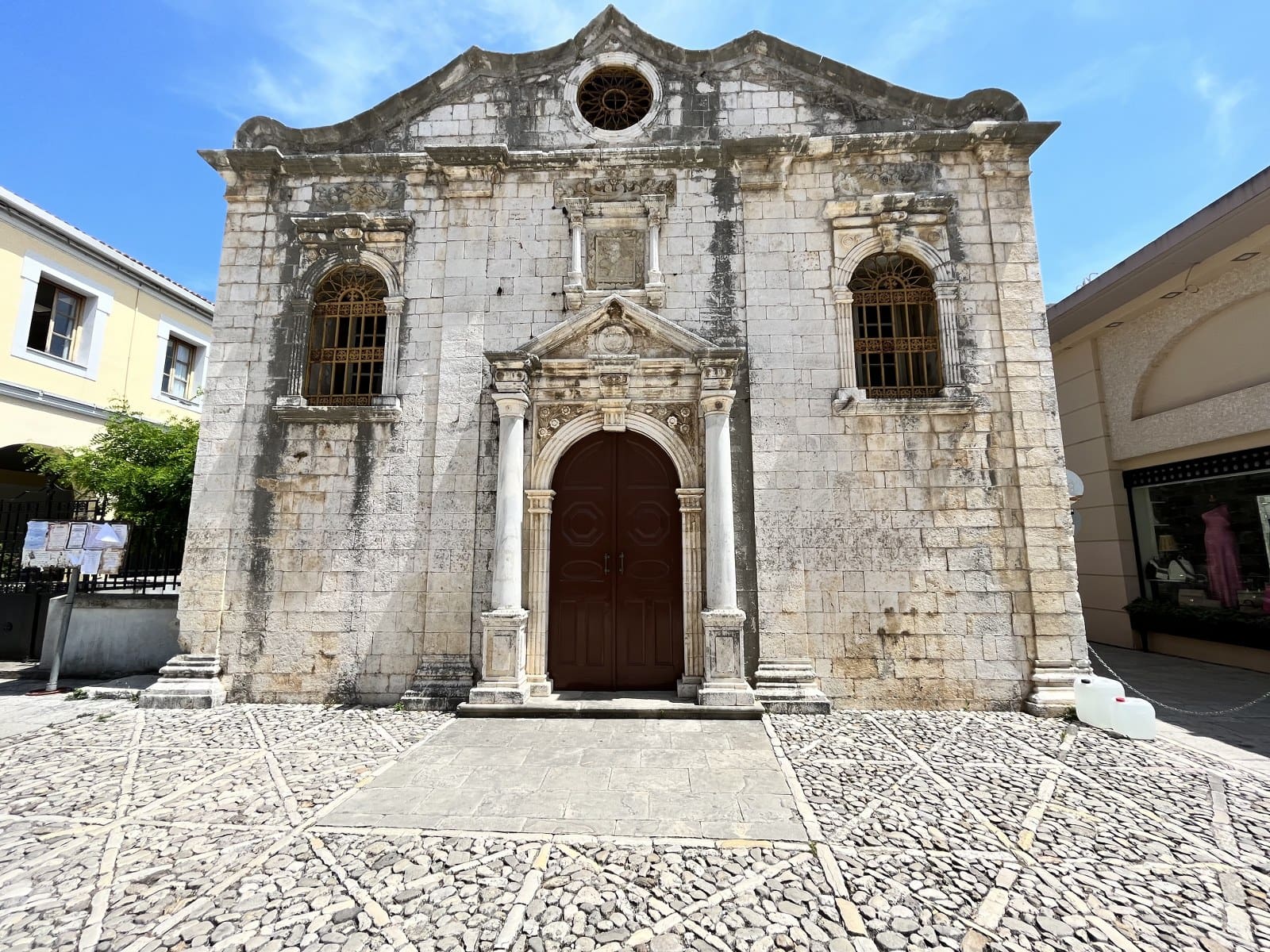
The Monastery of Faneromeni Monastery is one of the most important religious and cultural landmarks of Lefkada, located on a hill just outside Lefkada Town. Offering panoramic views over the island and the Ionian Sea, the monastery is dedicated to the Virgin Mary and has a history that dates back many centuries. Its peaceful atmosphere, beautiful gardens and small museum make it a popular place to visit for both spiritual reflection and sightseeing.
Archaeological Museum
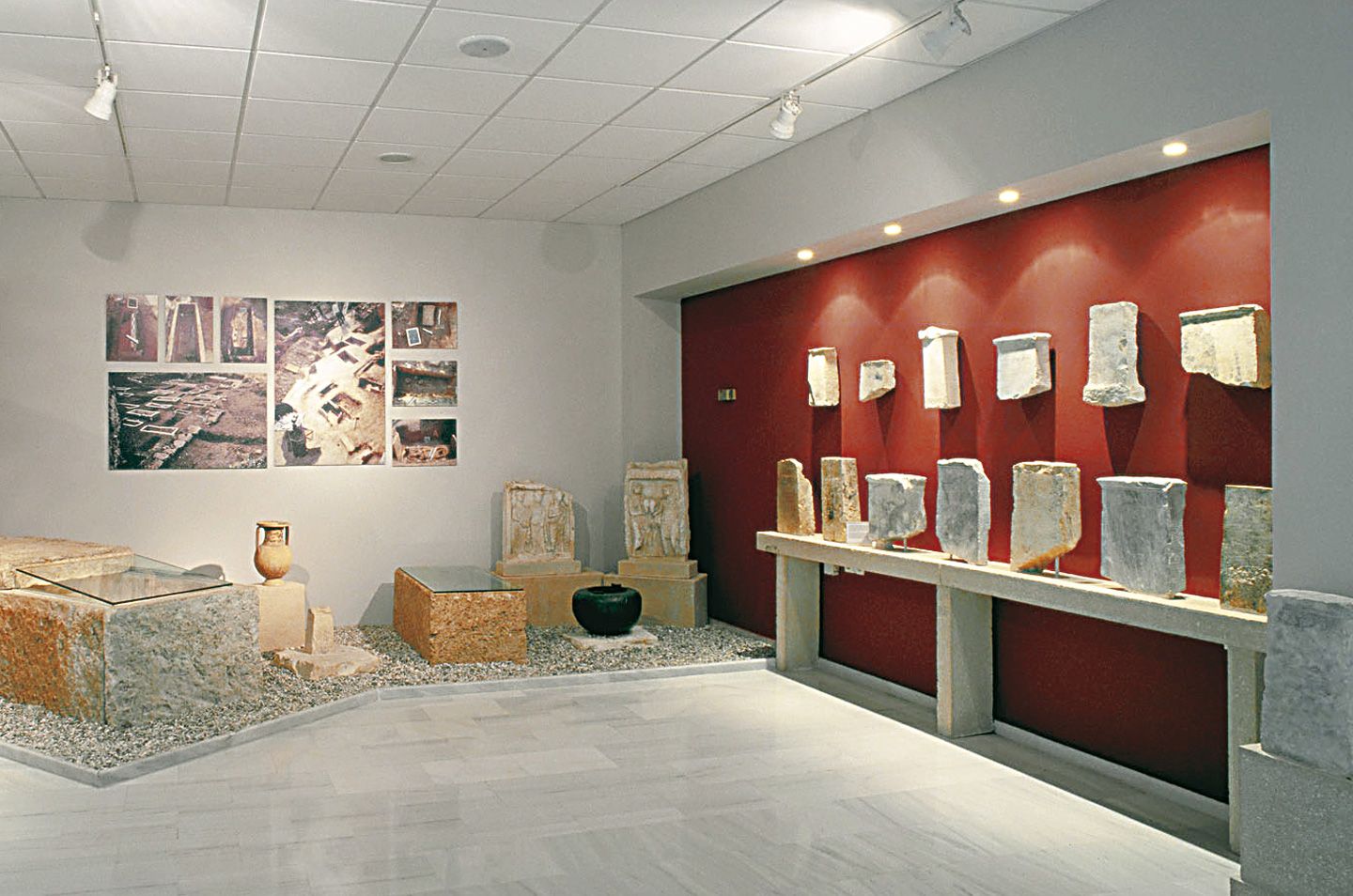
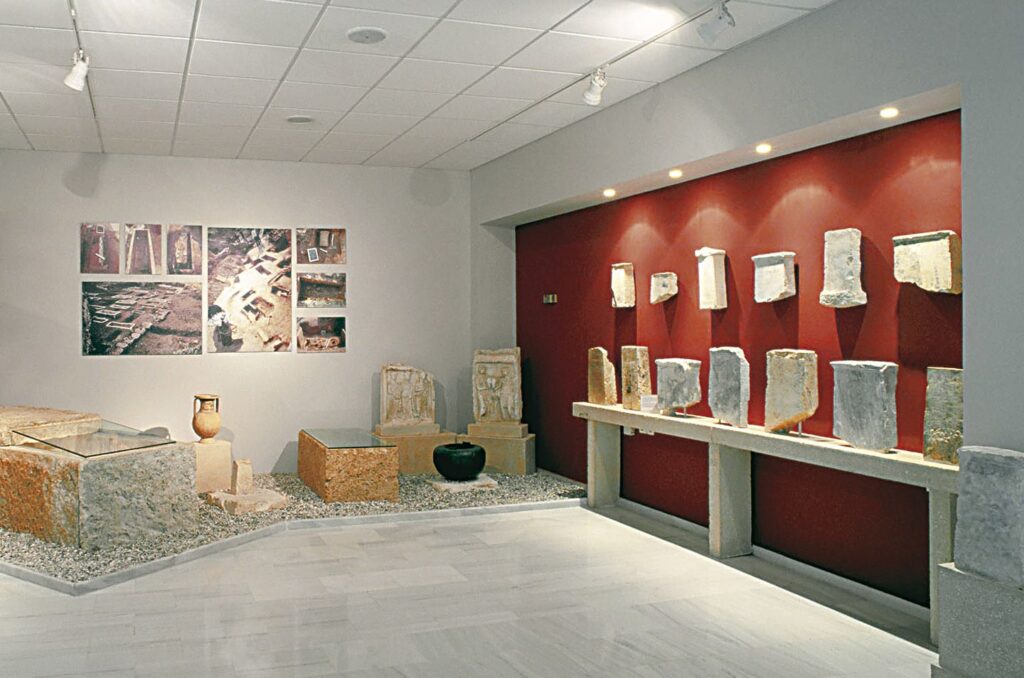
The Archaeological Museum of Lefkada offers a fascinating insight into the island’s rich history, from prehistoric times to the Roman period. Located in Lefkada Town, the museum hosts an important collection of artifacts, including findings from ancient settlements, burial sites and the nearby area of Nydri. Exhibits such as pottery, tools and everyday objects reveal aspects of life in ancient Lefkada and the wider region.
Venetian Castle
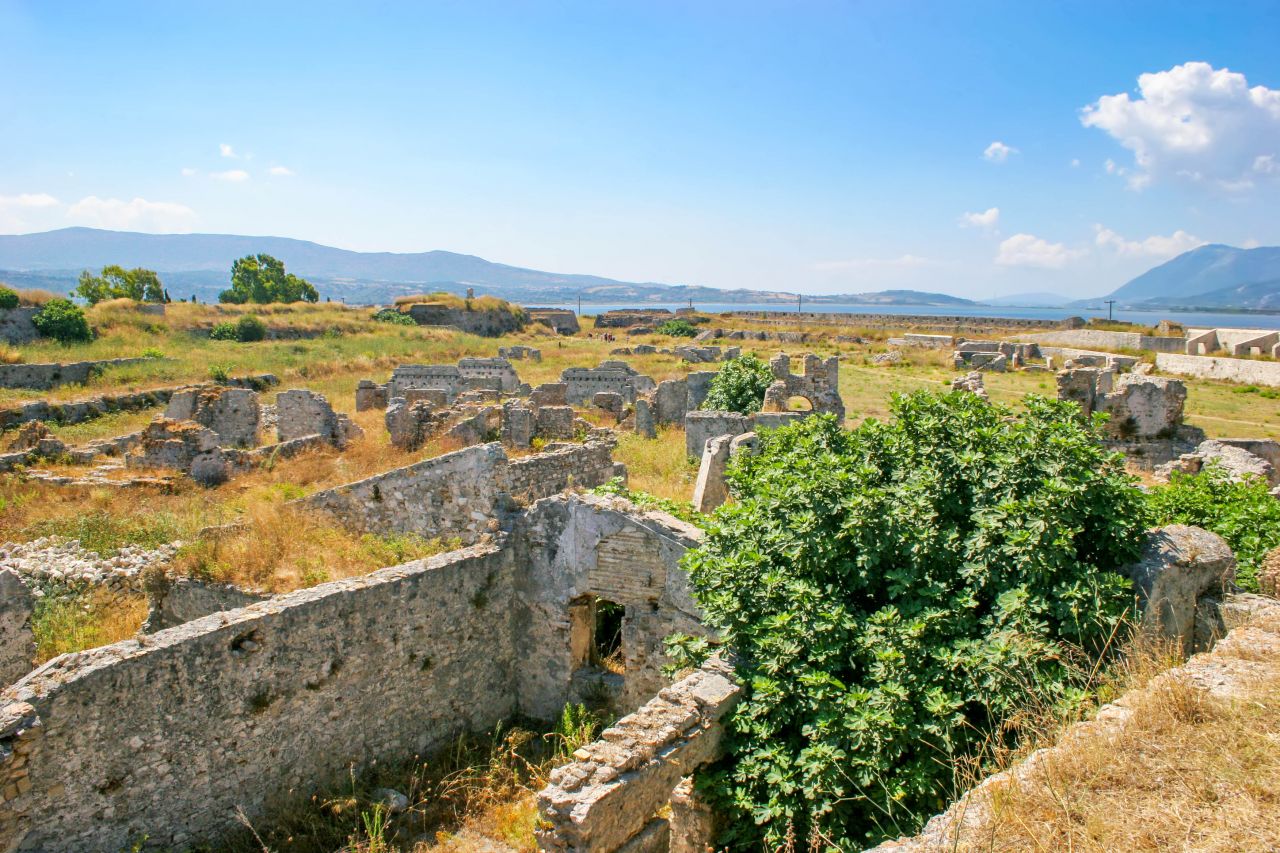
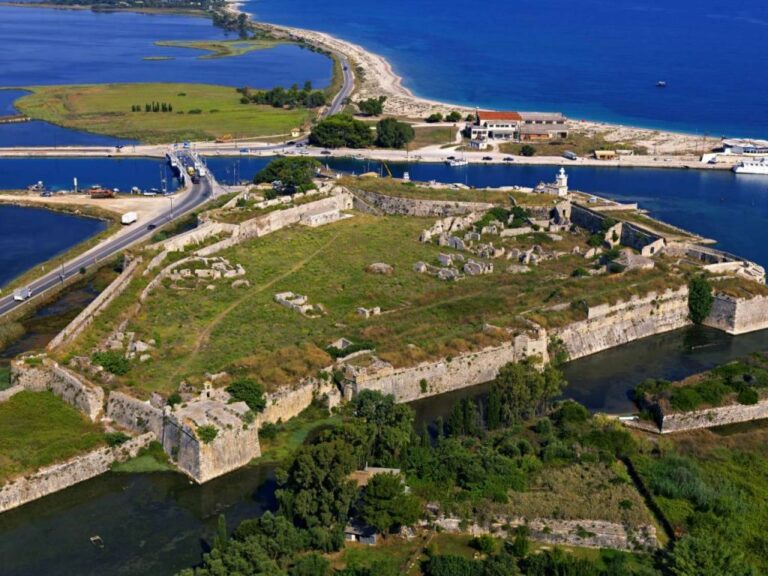
The Castle of Agia Mavra, also known as the Venetian Castle of Lefkada, is one of the island’s most important historical landmarks, located at the entrance of Lefkada. Built in the 14th century and later fortified by the Venetians, the castle played a key role in protecting the island from invasions. Its strategic position and impressive defensive structure reflect the island’s rich and complex history. Today, visitors can explore its ruins, walk through its historic walls and enjoy views of the surrounding lagoon and sea, experiencing a unique connection to Lefkada’s past.